
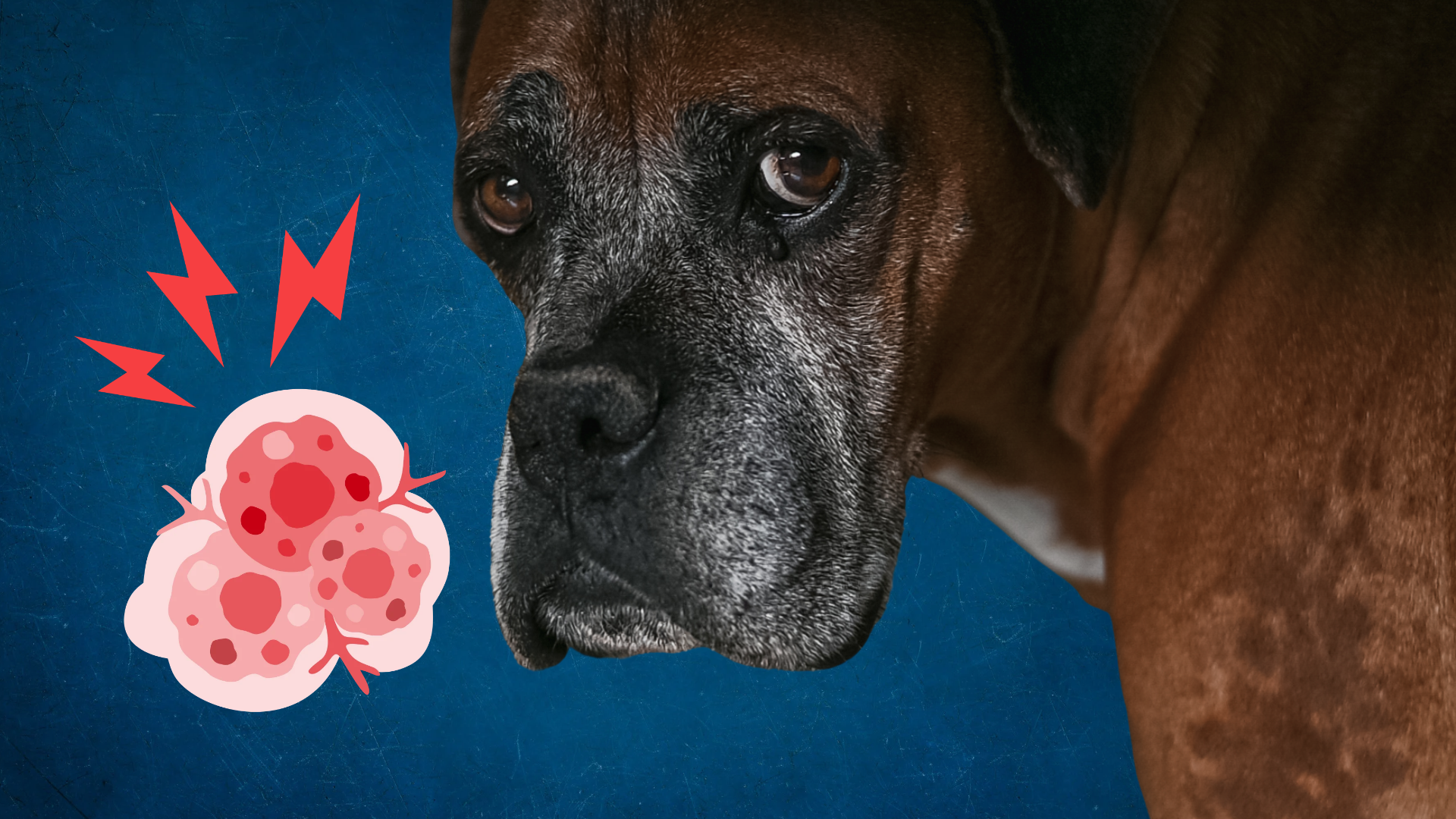
You’re petting your dog when suddenly, you feel something unusual beneath their fur. It’s a lump you’ve never noticed before, and naturally, you start wondering what it could mean. Could it be harmless, or is it a sign of cancer in dogs?
Discovering a new bump can be worrying, but not every lump is cancerous. Fayetteville Animal Clinic is here to address your concerns and guide you toward the next steps for your dog’s health in Fayetteville, TN.
Cancer in Dogs
Cancer is a disease that occurs when abnormal cells grow uncontrollably, sometimes forming tumors or affecting other parts of the body. While cancer can develop at any age, older dogs generally face a greater risk. Certain breeds are genetically predisposed to specific types of cancer.
The American Veterinary Medical Association reports that approximately one in four dogs will develop cancer at some point in their lives. This makes recognizing potential warning signs especially valuable.
Fortunately, many lumps turn out to be noncancerous conditions, such as fatty tumors, cysts, or warts. Even so, benign and malignant growths can appear remarkably similar, making a trip to your Fayetteville veterinarian necessary to distinguish between them.
What Are the Warning Signs of Cancer in Dogs?
Although a lump is one of the more noticeable signs of cancer in dogs, other changes in your pet’s health may also deserve attention.
Potential warning signs include:
- New or changing lumps: Growths that appear suddenly, increase in size, or change shape.
- Unexplained weight loss: Losing weight without changes in diet or exercise.
- Sores that won’t heal: Skin wounds that persist or repeatedly reopen.
- Unusual bleeding: Unexpected bleeding or discharge from the nose, mouth, or other areas.
- Changes in appetite or energy: Eating less, sleeping more, or showing reduced interest in activities.
- Difficulty breathing: Persistent coughing, labored breathing, or unusual respiratory changes.
These symptoms can occur with many different illnesses, so they don’t necessarily indicate cancer. However, persistent or unexplained changes should be checked out.
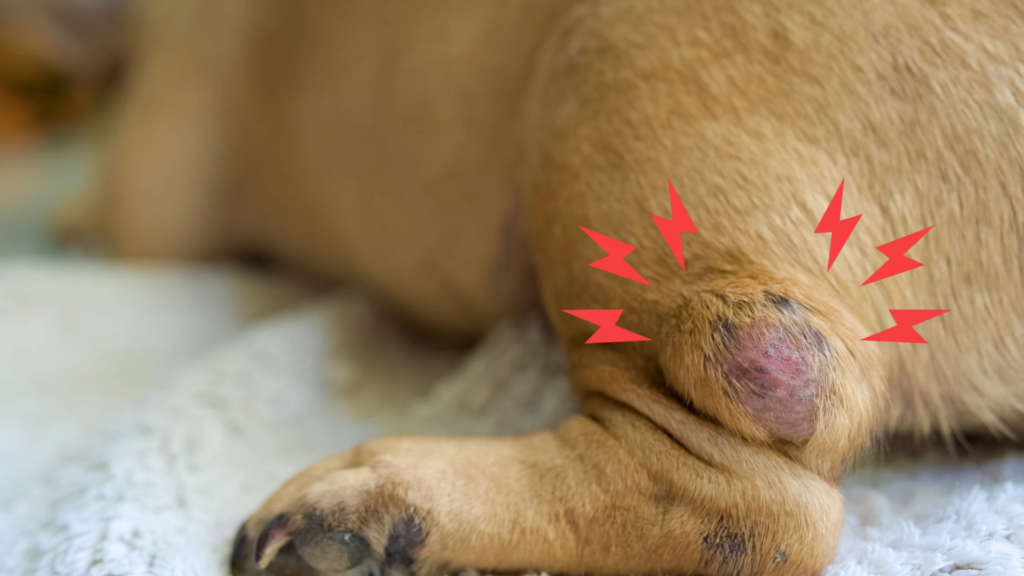
What Should You Do If You Find a Lump on Your Dog?
First, avoid squeezing, picking at, or attempting to remove the growth yourself. Instead, observe where the lump is located, how large it feels, and whether your dog seems uncomfortable when the area is touched.
Your next step should be scheduling a visit to Fayetteville Animal Clinic. Our veterinarians can assess the lump’s size, texture, and location while reviewing your dog’s medical history.
Depending on the findings, additional testing may be recommended. This might include performing a biopsy or conducting other diagnostic tests to better understand the growth.
Fayetteville Animal Clinic offers diagnostics and surgical services, giving our team resources to evaluate medical concerns and discuss care options.
Make Routine Lump Checks Part of Your Dog’s Care
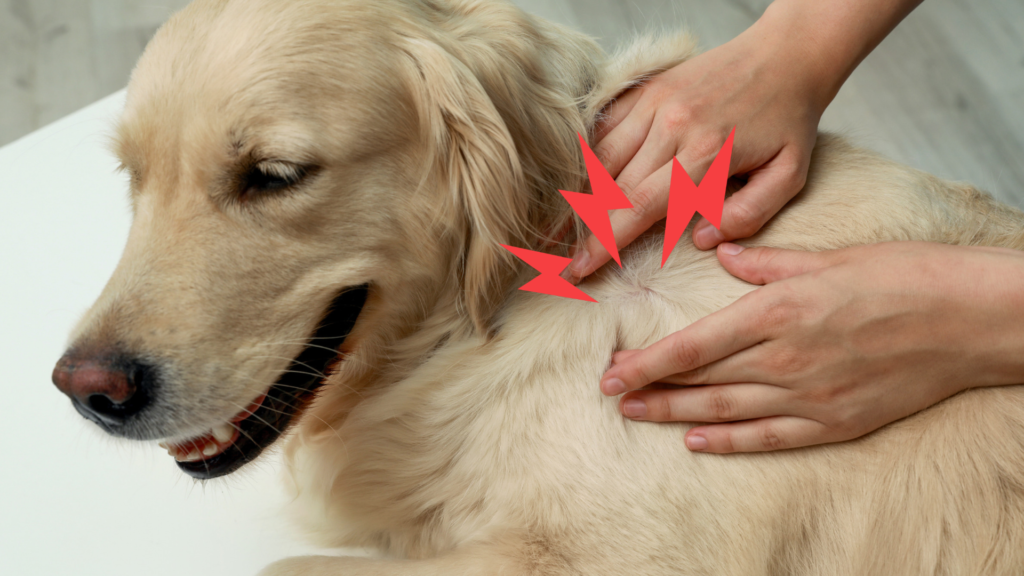
One of the easiest ways to notice changes in your dog’s body is to become familiar with how their skin normally feels. Regular checks are particularly valuable for senior dogs, although dogs of all ages can develop unusual growths.
During brushing or petting, gently run your hands over your dog’s body, paying attention to the neck, chest, belly, legs, and tail. Don’t forget areas that are harder to see, such as beneath the collar or between the toes.
You can also look inside your dog’s mouth for unusual swelling or changes in the gums, provided your dog is comfortable with the examination.
If you discover something unfamiliar, take a photograph and make note of its size. Even if the lump seems small or doesn’t bother your dog, it’s worth having it examined.
Can Cancer Develop Without a Lump?
Yes. Not all cancer in dogs produces a visible or easily felt tumor. Some cancers affect internal organs, blood cells, or tissues deep within the body.
That’s why changes such as persistent digestive problems, unexplained fatigue, weight loss, or unusual behavior shouldn’t be overlooked. Routine veterinary examinations and diagnostic testing when indicated can identify health concerns that aren’t immediately obvious.
Concerned About a Lump on Your Dog? Visit Fayetteville Animal Clinic
Finding an unexpected growth on your dog doesn’t have to mean the worst, but getting answers sooner rather than later is always a sensible decision. Fayetteville Animal Clinic is a full-service veterinary practice for dogs, cats, and large animals throughout Fayetteville, Huntsville, Petersburg, and neighboring Tennessee areas.
Don’t spend weeks wondering what that lump might be. Schedule an appointment with Fayetteville Animal Clinic and let our veterinary team evaluate your dog’s condition.